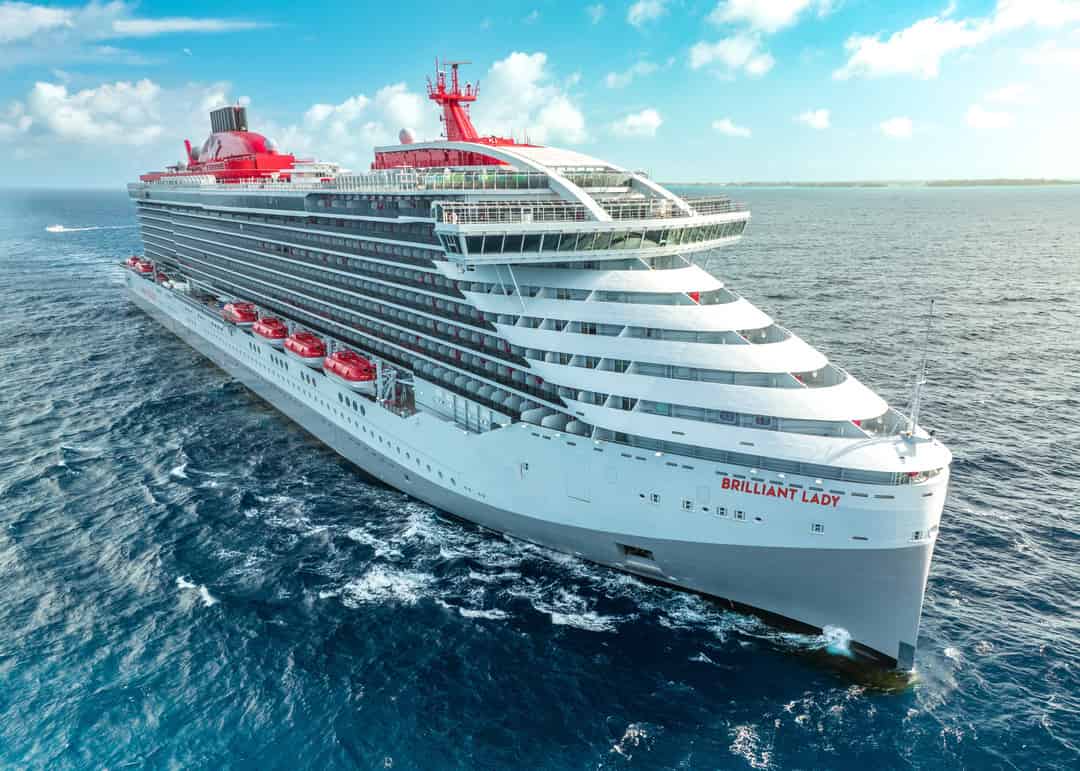
A Caribbean cruise sounds amazing until you start planning one and realize you have no idea what you’re doing. Should you book excursions in advance? What about the drink package? And why does everyone keep telling you to bring a power strip?

The good news is that your first Caribbean cruise doesn’t have to be complicated if you know what actually matters and what’s just noise from people who went on one cruise in 2004. I’m not going to lie, there’s a lot of bad advice out there. Some of it comes from outdated blog posts, and some comes from TikTok videos that make cruising look way more stressful than it actually is.
Planning your first cruise takes some work up front, but once you know the basics, you’ll wonder why you waited so long to try it. This guide covers what you need to do before you leave, how to handle your first day onboard without looking like a lost tourist, and the mistakes that first time cruisers make that you can easily avoid.
Need more cruise information be sure to visit our Cruise Page.
Key Takeaways
- Book shore excursions and specialty dining before your cruise to avoid missing out on what you actually want to do
- Download your cruise line’s app and complete online check-in at least a few days before departure to save time at the port
- Bring your own power strip, seasickness medication, and reef-safe sunscreen because the ship stores charge too much for basics
Getting Real About Planning Your First Caribbean Cruise
Planning a Caribbean cruise isn’t rocket science, but the timeline matters more than you think, and picking the wrong cruise line can tank your whole trip. You’ll also want to know what fees are actually worth paying and which ones are total garbage.
Understanding the Caribbean Cruise Planning Timeline
Look, I’m not going to sugarcoat this. If you want the best prices and cabin choices, you need to book 6 to 12 months out. That’s the sweet spot for Caribbean cruises.
Waiting until the last minute might get you a deal, but 9 times out of 10, you’re stuck with whatever’s left. That usually means an inside cabin next to the elevator or a cruise during hurricane season that nobody else wanted.
Here’s what actually happens when you book early. You get first pick of the dining times, better excursion availability, and you can actually budget for the trip instead of panic-buying everything at once. Plus, cruise lines release their best promotional rates early.
To be honest, the only time last-minute bookings make sense is if you live near a port, have zero kids to work around, and don’t care which ship you’re on. For everyone else, book early or deal with the leftovers.
Choosing the Right Cruise Line and Itinerary
Not all Caribbean cruises are created equal, and this is where first-timers mess up constantly. Royal Caribbean is great if you want waterslides and rock climbing walls. Carnival skews younger and cheaper. Norwegian has more flexible dining.
The itinerary matters way more than people realize. Eastern Caribbean hits places like St. Thomas and St. Maarten. Western Caribbean goes to Cozumel and Jamaica. Southern Caribbean is longer and hits islands most people can’t pronounce.
What bugs me is when people pick a cruise based only on price and then complain about the ports. If you want beaches, Western and Eastern work. If you want something different, Southern Caribbean has better snorkeling and less crowded ports.
A certified cruise travel agent can actually help you match your interests to the right itinerary without the research headache. In my case, I spent hours comparing itineraries when I should’ve just asked someone who books these things daily.
The advertised cruise price is a lie. Well, not technically, but it doesn’t include port fees, taxes, gratuities, or anything fun.
Here’s what you’re actually paying for:
- Gratuities: About $15-18 per person per day. Not optional on most lines.
- Drink packages: $60-90 per day if you want alcohol or fancy coffee.
- WiFi: $15-30 per day for internet that barely works.
- Specialty dining: $30-75 per person if you’re tired of the buffet.
- Excursions: $50-200+ per person depending on what you do.
The “free” perks like drink packages or onboard credit are only free if you were going to buy them anyway. If you don’t drink, a drink package is worthless no matter how free it is.
To be honest, the real trap is thinking everything’s included when it’s not. Read the fine print on what’s actually covered. Some cruise lines include gratuities and WiFi in higher cabin categories, which might actually save you money if you do the math right.
Skip the travel insurance the cruise line pushes unless you read what it covers. Most of it is pretty weak compared to third-party options.
What to Do Before Your Ship Leaves (So You Don’t Regret It)

Look, you can’t just show up at the port with a suitcase and a dream. There are actual steps you need to take before your cruise, and I’m not talking about the stuff you see on social media. You need the right documents, the right gear, and a reality check about life on the water.
The Actual Cruise Preparation Checklist (Not the TikTok Version)
I’m not going to lie, half the cruise prep advice floating around online is complete garbage. People will tell you to bring a magnetic hook or a nightlight like it’s going to make or break your vacation. It won’t. They are nice to have though. Traveling as a family of 3 having that nightlight for late night bathroom breaks is a savior.
What you actually need to do is book your cruise early enough to get a decent price and cabin location. Then, about 30 days before you leave, check if you need to do online check-in. Most cruise lines make you do this, and it saves you time at the port.
Download your cruise line’s app before leaving home! This is where you’ll see your daily schedule, make dining reservations, and book stuff on the ship. You can’t do half of this once you’re onboard if you wait too long, so get it done at home.
Check what activities or restaurants need reservations. Some cruise lines let you book specialty dining or shows weeks before you sail. If you wait until you’re on the ship, the good time slots are gone. That’s just how it works.
Set up your credit card for onboard purchases before you leave. You’ll link a card to your room, and that’s how you pay for drinks, excursions, and anything else you buy. Getting this sorted early means one less line to stand in on embarkation day.
Travel Documents and Passports: Don’t Get Left at the Pier
This is where people screw up the most, and it’s completely avoidable. If your cruise goes to any foreign port, you need a valid passport. Not one that expires in three months. Not one that’s “probably fine.” A passport that’s valid for at least six months after your cruise ends.
I’ve seen families turned away at the pier because someone’s passport was expiring too soon. The cruise line doesn’t care about your story. They will not let you board. Make sure your passport is valid for 6 months post sailing date to give you a fair window.
Even if your cruise is a closed-loop sailing (leaves and returns to the same U.S. port), get a passport anyway. If something happens and you need to fly home from a foreign country, a birth certificate won’t cut it. You’ll be stuck. People over look this, I get you can travel with a birth certificate but a passport provides you so much more peace of mind.
Print your boarding documents after you complete online check-in. Yes, print them. Some ports accept digital versions, but some don’t, and you don’t want to find out the hard way. Bring a printed copy of your cruise confirmation, your boarding pass, and your passport.
Also bring your credit card and any medical documents you might need. If you take prescription medication, bring the bottles with the labels on them. Customs agents want to see that stuff is actually yours.
Travel Protection
Another oversight on most travelers’ part is the need for travel protection. While “travel insurance” is the proper term, I prefer “travel protection” because it captures what you’re truly doing: safeguarding your investment. From trip cancellations and interruptions to medical emergencies, delays, and lost baggage, a solid protection plan can shield you from unexpected costs and stress. For a fraction of your total trip price, it offers peace of mind and financial security, ensuring that if the unexpected happens, your plans—and your budget—don’t unravel.
Is it worth it? Hands down it absolutely is. Some policies not only cover you they will cover your children at no cost, or allow for coverage when someone in your immediate family cannot make it. A perfect example of this is CHUBB Insurance they cover your children, provide fantastic medical and evacuation coverage and even offer yearly policies. That link will bring you to a landing page where you can get a quote. If all else fails, please consider the ship insurance offering.
Check what your regular health insurance covers when you’re out of the country. 9 times out of 10, it doesn’t cover much. If you need serious medical care on a cruise ship, you’re paying out of pocket unless you have cruise advice for first time cruisers sorted out, including the insurance part.
Packing: What First-Time Cruisers Actually Need
To be honest, most people pack way too much for a cruise. You’re not going into the wilderness. There are shops on the ship if you forget something.
Pack sunscreen, and I mean the good stuff. Caribbean sun is no joke, and the sunscreen on the ship costs three times what it does at home. Bring enough for your whole trip.
You need at least one outfit for formal or semi-formal night. Most Caribbean cruises have one or two of these. Men can get away with khakis and a button-down shirt. Women need a dress or nice pants and a blouse. If you don’t dress up, you can’t eat in the main dining room that night, and your options get limited.
Bring a swimsuit, obviously. Actually, bring two so one can dry while you wear the other. Flip-flops or sandals for the pool deck. Comfortable walking shoes for excursions. That’s really it for the basics.
Power strips are actually useful because most cabins only have one or two outlets. Your phone, your partner’s phone, a camera, and maybe a tablet all need charging. Just make sure it’s a basic power strip without a surge protector, because those aren’t allowed.
Don’t bring an iron or steamer. They’re banned on ships because of fire risk. If you need something pressed, there’s usually a laundry service.
Health, Safety, and Seasickness Reality Check
Let’s talk about seasickness because everyone worries about it and nobody wants to admit it. Modern cruise ships are huge and have stabilizers, so you probably won’t feel much motion. But if you’re prone to motion sickness, don’t take chances.
Buy seasickness medication before you leave. Bring Dramamine, Bonine, or those wristbands if you think they’ll help. The ship’s medical center sells this stuff, but again, it’s marked up like crazy.
Pack a basic first-aid kit with Band-Aids, pain relievers, and any prescription meds you take. Bring more medication than you think you’ll need in case your trip gets extended for any reason. Put half in your carry-on and half in your checked luggage in case one bag goes missing.
Check if you need any vaccines for the ports you’re visiting. Most Caribbean destinations don’t require anything special for U.S. travelers, but it’s worth confirming.
First Time Cruiser Survival Guide Onboard
Your cruise ship is basically a floating city, and just like any city, there are things nobody tells you until you mess up. You need to know how to handle daily life onboard, what to do when you hit port, and how to avoid spending your mortgage payment on fruity drinks and souvenir photos.
What No One Warns You About Cruise Life
The ship is going to move. I know that sounds obvious, but I’m not going to lie, the first night is weird. You’ll feel the rocking even when you’re asleep. Pack some ginger candies or sea sickness bands if you’re worried, but most people adjust by day two.
Your cabin is small. Like, really small. You’re not getting a hotel room. You’re getting a floating closet with a bathroom the size of a phone booth. Don’t bring 12 outfits per day because you have nowhere to put them.
The daily schedule matters more than you think. Every night, they’ll slide a paper under your door with the next day’s activities and port information. Read it. That’s how you know when the comedy show starts, when dinner is, and most importantly, what time you need to be back on the ship.
Internet is expensive and terrible. We’re talking $20 a day for speeds slower than dial-up. Just accept that you’re going offline. Download movies before you leave and enjoy being unreachable for a few days.
Understanding what to expect onboard helps you avoid the rookie mistakes that make your vacation stressful instead of relaxing.
Making the Most of Port Days (Or How Not to Get Stranded)
Set an alarm for at least two hours before all aboard time. The ship will not wait for you. I’ve watched people sprint down the dock while the crew pulled up the gangway. Don’t be that person.
Book excursions through the cruise line if you’re nervous about timing. They’re more expensive, but if the tour runs late, the ship waits. If you book on your own and miss the boat, you’re paying out of pocket to meet the ship at the next port.
To be honest, you don’t need an excursion at every port. Some islands are perfect for just walking around on your own. Research each stop before you go and decide where you actually want a guided tour versus where you can wing it.
Bring small bills in US dollars. Most Caribbean islands accept American money, and you’ll need cash for taxis, tips, and beach chair rentals. ATMs in port charge ridiculous fees.
Get off the ship early. Everyone waits until mid-morning, then complains about crowds. If you’re off by 8am, you’ll have beaches and attractions mostly to yourself for a couple hours.
How to Not Blow Your Budget Onboard
Cruises are not all-inclusive, and this is where first timers get destroyed financially. Your room and main dining room food are included. Almost everything else costs extra.
Alcohol adds up fast. Cocktails run $12 to $18 each. If you drink, do the math on a beverage package before the cruise starts. Buy it ahead of time because it’s cheaper than onboard. But if you only have two drinks a day, you’re better off paying as you go.
Specialty restaurants cost $30 to $75 per person on top of your cruise fare. The main dining room is free and the food is good. Save the upcharge restaurants for one special night, not every night.
Casino and bingo look fun until you realize you just spent $200 in 45 minutes. Set a limit before you sit down. What bugs me is watching people drop serious cash on cruise ship slots when the payout rates are worse than Vegas.
Skip the professional photos unless you really want them. They’ll take your picture constantly and charge $20 to $30 per print. Just ask another passenger to snap a photo with your phone.
Spa services are marked up like crazy. Get your massage at a local place in port for half the price. Shore excursions booked independently also save you 30% or more compared to ship prices, you just take on the risk of getting back late.
In Closing
Your first Caribbean cruise is one of those trips that tends to stick with you. Once you know how it all works — the planning, the ports, the onboard rhythms — it stops feeling overwhelming and starts feeling like something you could do again and again. And most people do.
The biggest thing to take away from all of this? Do the legwork before you leave. Book early, get your documents in order, download the app, and know what’s included in your fare. Everything else you’ll figure out as you go. Ships are more forgiving than first-timers expect, and the crew is genuinely there to help you have a great time.
If you’re still not sure where to start or which itinerary is right for you, that’s exactly what we’re here for. Every traveler is different, and finding the right cruise — the right ship, the right ports, the right time of year — makes all the difference between a good trip and a great one. Reach out anytime. We’d love to help you plan it.

Rick Copithorne | Founder
Rick is the founder of Disconnect Vacations, leveraging 25 years of IT precision to plan seamless travel. He holds Master-level certifications with Royal Caribbean, Norwegian, and MSC, alongside Commodore status with Princess and Diamond level with Carnival. A graduate of the Disney College of Knowledge and Holland America (Platinum), Rick helps travelers trade “screen time for island time” with expert-led planning and insider perks