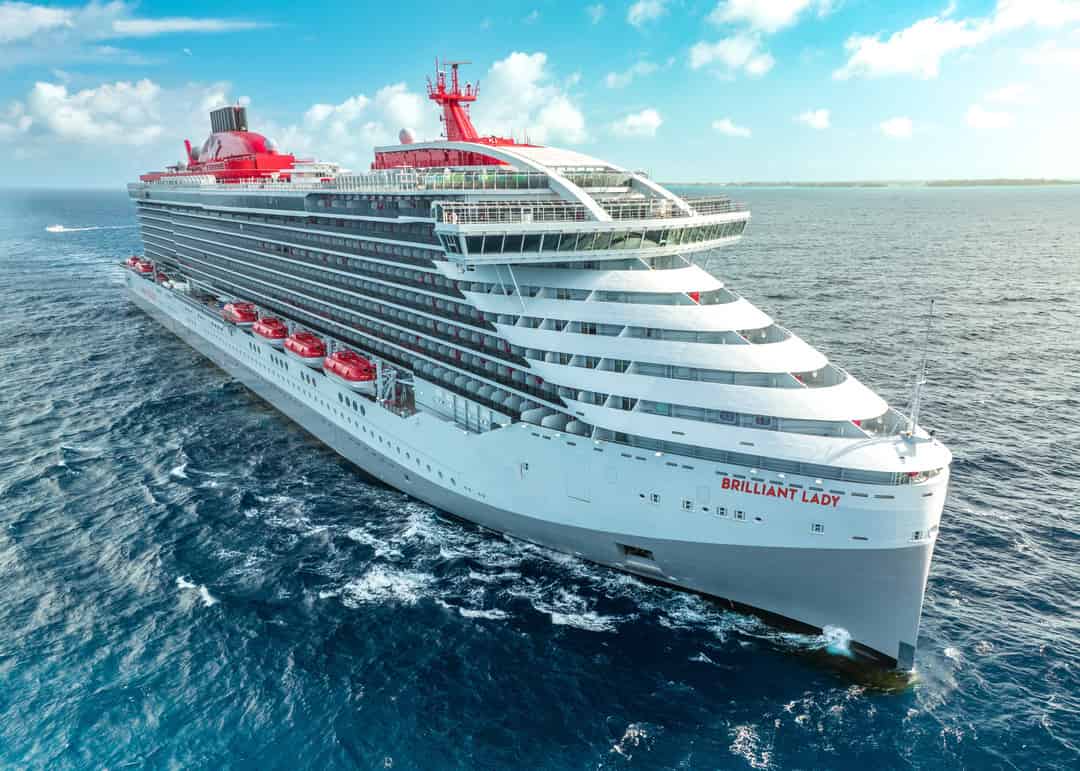
You have the excursions booked and the sunscreen packed, but a single glance at your phone screen could actually ruin your entire trip. The most important cruise gear is a simple wrist watch. It sounds dramatic, but your smartphone is a liar. The second you step off the boat, it wants to sync to local island time, while the ship is still operating on a completely different schedule. If you rely on your phone, you might think you have an hour to kill when the captain is actually pulling up the anchor or pushing off from the dock. Trading the screen for a basic wrist watch keeps you on ship time, kills the distraction of notifications, and ensures you aren’t the person sprinting down the pier while everyone on the balcony records you on TikTok. That one cheap watch can save you thousands in “oops I missed the boat” rescue fees.

On a ship, timing matters: tenders leave on schedule, shore buses run on strict timetables, and muster drills don’t wait. A watch keeps you synced to the ship’s clock, helps you pace excursions, and cuts the risk of costly rebooking or emergency transport. You’ll also avoid the temptation to start scrolling when you only meant to check the time. Hence the meaning of Disconnect Vacations!
Think of your watch as a tiny, reliable crew member that keeps your plans on track. DO NOT rely on your smart watch or your phone to keep you on proper time. Most phones today when when coming off airplane mode will synch the time with your current time zone. Remember, the ship operates on ship time not port time!
Why Wrist Watches Are Crucial On Cruises
A reliable watch keeps you on the ship’s schedule, saves time when connecting to tenders or excursions, and helps you avoid extra fees or missed transports. Wear something simple, sync it to ship time, and use it as your primary clock when ashore.
The Risk of Missing Ship Time
Ships leave on a strict schedule. If you miss the return-to-ship time, you can face expensive flights, hotels, or the cost of a last-minute seat on an emergency tender. Your phone may change time zones or lose service, but a wrist watch set to ship time stays steady.
Carry a cheap, water-resistant watch you won’t panic about losing. Before each port, set the watch to the ship’s clock shown on the daily schedule or public displays. Check it before leaving the gangway and 30 minutes before the posted return time. That small habit prevents most “I missed the ship” scenarios.
Book Your Next Island Get-away
Let me help you plan your next exciting adventure. From the Caribbean to the Mediterranean we have you covered.
Island Time vs. Ship Time
Ports often run on local “island time”. Depending on the port the time difference can be 1 or 2 hours apart from the ships time. Your watch must match the ship’s time, not the local time. When the ship is scheduled to leave at 4pm ship time, it is leaving at 4pm ship time not 4pm St. Thomas time which can be an hour behind the ship time.
This recently happened to us when cruising to St. Thomas. I worked with a tour guide from Viator to take 2 families on a private tour of the island. They pickup time was 830am. Well the ship was docking at 7am ship time, which was an hour behind island time. So the driver was already at the pier waiting before the ship arrived.
This not only stresses the importance of Ship Time but also the importance of working with trusted 3rd party vendors like Viator and Shore Excursions Group, who use fantastic local tour operators who keep a constant form of communication open with clients using tools like WhatsApp, Emails and simple phone calls. Getting back to the ship avoids the embarrassment of becoming a pier runner.
Understanding Cruise Pier Runners
Pier runners are what you become if you are late returning to the ship. Not only is it irresponsible not getting back on time, it is plain rude. Thousands of peoples are on the same ship. You disregarding the time and holding the ship up from leaving effects everyone. So pier runners are those who get back late and try to make it to the gangway before it is loaded up.
If you are exploring the island on your own, this is where the wrist watch will save you from the walk of shame, if you booked using 3rd party excursion companies, make sure you are all aware of the ship time and return to port.
How Wearing a Wrist Watch Can Save You Thousands
Missing your ship can hit your wallet in several ways: direct fees, last-minute transport, and unexpected nights ashore. Each cost can add up fast, often far more than the price of one small, reliable wristwatch.
Travel Disruption Fees
You are responsible for getting to the next port to get back on the ship. Each cruise line has a emergency number you will need to work with to plan out the meeting point. You will need to purchase the flights, ferries, or whatever is needed for you to make it to the next port. So a $50 wrist watch, although outdated, can save you hundreds if not thousands of dollars.
You might need a hotel for one or more nights. Urban port hotels range widely: budget rooms can be $50–$100, mid-range $120–$250, and last-minute walk-in rates often spike above $300. If the port is remote, choices shrink and prices climb.
Expect incidental costs like meals, rideshares, clothing, etc. If you rejoin the ship at the next port, you may pay for long-distance transport to the ship from the airport if it is not close. . Keep receipts and document delays—some cruise lines or travel insurers will reimburse verified emergency expenses.
A reliable wrist watch keeps you punctual, reduces friction with schedules, and prevents small timing errors from becoming big bills. It helps you spot mismatches between your watch and other systems and act fast.
Avoiding Costly Mistakes With Accurate Timekeeping
When you wear a wrist watch, you avoid the tiny timing slips that add up. Missing boarding calls, late check-ins, or overtime windows on a cruise can trigger fees. A simple glance at your wrist lets you confirm local port times or excursion departures without fumbling for a phone that might be on airplane mode or out of battery.
Ship time matters because cruise lines run on their own clock. If your phone shows local time and the ship runs two hours ahead, you could miss muster drills or dining reservations. Set your wrist watch to ship time as soon as you board, then use it as the master clock for planning.
Make a quick checklist: set the watch to ship time. A single wrist watch avoids confusion when other devices auto-update to local time. If you manage group logistics—family or a small tour—wearing a visible, synced watch lets you coordinate without constant device-checking. That clarity prevents missed departures and emergency bookings that can cost hundreds or thousands.
Relevant reading on practical benefits appears in a list of benefits of wearing a wristwatch.
Bonus Cruise Hacks: Maximizing Peace of Mind With Your Watch

Your watch keeps you on schedule, avoids missed excursions, and helps you switch cleanly between island time and ship time. Use alarms and a quick time check to stay calm, avoid fees, and enjoy more of the day.
Setting Multiple Alarms
Set at least two alarms for any on-shore excursion: one 60–90 minutes before departure to finish packing and one 15–20 minutes before the muster or meet-up time to walk to the tender or gangway.
Program a backup alarm on your phone or a different watch if you use ship wake-up calls. Cruise wake-up calls can be unreliable in rough seas. Keep alarms on ship time when the ship runs the schedule, but switch to local time for port days if excursions list local times.
Double-Checking Local and Ship Time
Confirm the ship’s clock at guest services and check the daily schedule (often listed under “ship time”). Many lines run on ship time, which can be ahead or behind local time by an hour or more.
When you go ashore, set your watch to the island’s local time. If you don’t want to change the main display, add a second timezone or use a secondary clock face. This prevents confusion when shops or tours publish local departure times.
Use quick checks: glance at the port’s official signage or your excursion confirmation email to verify which time the operator uses. If the tour says “meet at 9:00 local,” treat that as local time unless the provider explicitly states “ship time.”
Conclusion: Why Prepared Cruisers Always Wear a Wrist Watch
You save time and money by wearing a simple, reliable wrist watch when cruising. Phones die, ship Wi‑Fi lags, and shore trips can toss you into areas with no service. A watch keeps basic timing when you need it most.
You look more organized and calm when you check a wrist watch instead of fumbling for a phone. That small signal helps with meeting crew, keeping reservations, and making tight tender times. It also cuts the risk of missing a ship departure.
You protect important gear by choosing the right watch for sea life. Pick a durable, water‑resistant model with long battery life or a mechanical movement you can trust. For tips from experienced cruisers on practical watch choices, see this discussion on keeping time while in port.
You reduce tech failure risk with redundancy. Wear a watch and keep a backup on board—simple, low cost, and effective. That small habit can prevent expensive missed connections or last‑minute fees.
You gain a tiny edge that pays off in peace of mind. It’s not about style alone; it’s about being ready, punctual, and less stressed. Wear a watch, and your cruise logistics get a quiet, reliable co‑pilot.

Rick Copithorne | Founder
Rick is the founder of Disconnect Vacations, leveraging 25 years of IT precision to plan seamless travel. He holds Master-level certifications with Royal Caribbean, Norwegian, and MSC, alongside Commodore status with Princess and Diamond level with Carnival. A graduate of the Disney College of Knowledge and Holland America (Platinum), Rick helps travelers trade “screen time for island time” with expert-led planning and insider perks